UK DUI Limits Explained: How Much Is Too Much?

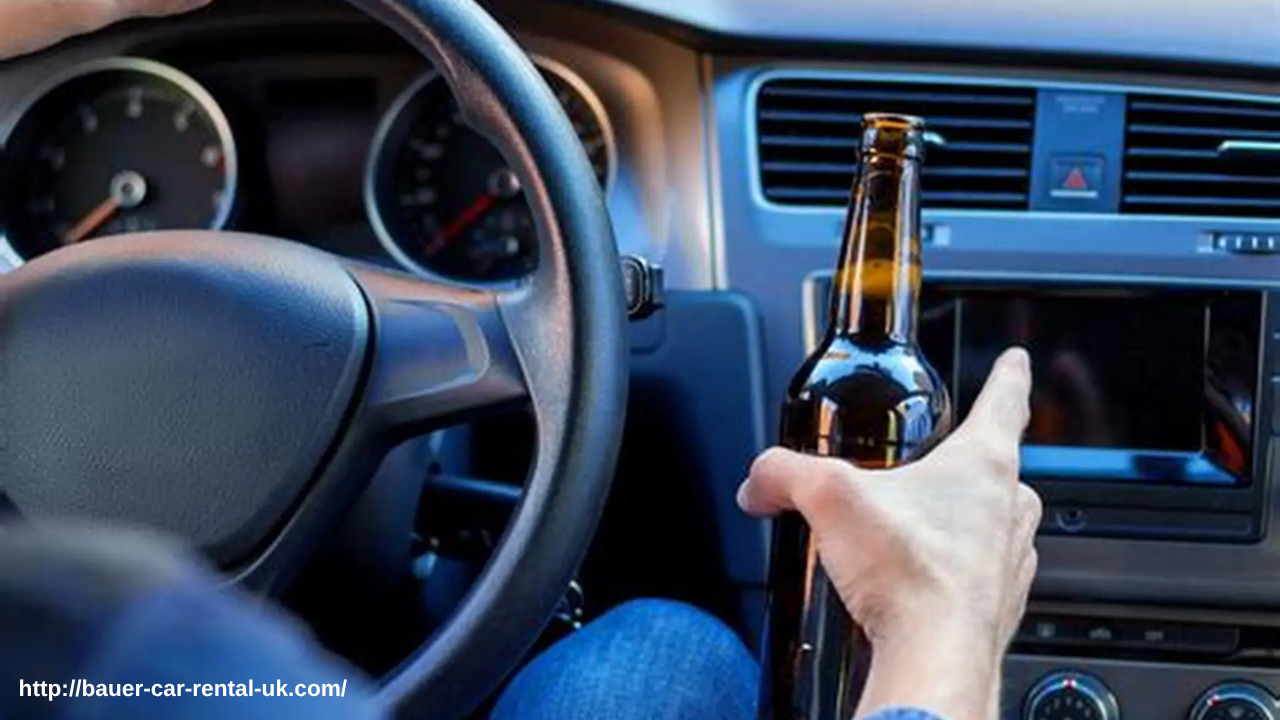
Driving under the influence (DUI) of alcohol or drugs is a serious offence in the United Kingdom, with strict laws designed to protect the public from impaired drivers. However, many motorists remain unclear about what the legal limits actually mean and how much alcohol it takes to reach them. Understanding the UK’s DUI limits is essential—not only to avoid penalties, but to keep yourself and others safe on the roads.

Legal Alcohol Limits in the UK

The UK has different alcohol limits depending on the region:

  • England, Wales, and Northern Ireland:
    • 35 micrograms of alcohol per 100 millilitres of breath
    • 80 milligrams of alcohol per 100 millilitres of blood
    • 107 milligrams of alcohol per 100 millilitres of urine
  • Scotland:
    • 22 micrograms of alcohol per 100 millilitres of breath
    • 50 milligrams of alcohol per 100 millilitres of blood
    • 67 milligrams of alcohol per 100 millilitres of urine

Scotland’s lower threshold reflects a tougher stance on drink driving, similar to other European countries. If you regularly travel between regions, it’s crucial to be aware of these differences.

How Much Can You Drink Before You’re Over the Limit?

There is no one-size-fits-all answer to this question. How alcohol affects an individual varies based on several factors, including:

  • Body weight and composition
  • Age and gender
  • Metabolism and general health
  • Type and amount of food eaten
  • Type of alcohol consumed

As a rough guide, many people find that consuming more than one standard drink (such as a pint of beer or a small glass of wine) can put them close to or over the limit, especially in Scotland. However, due to all the variables involved, it’s impossible to accurately calculate your blood alcohol level without a breathalyzer.

The safest and most responsible advice? If you’re driving, don’t drink at all.

Penalties for Exceeding the Limit

If you’re caught driving over the legal limit, you could face serious consequences, including:

  • A minimum 12-month driving ban
  • An unlimited fine
  • Up to 6 months in prison
  • A criminal record
  • A driving licence endorsement that lasts for 11 years

In more severe cases—especially those involving accidents, injury, or repeat offences—penalties can be significantly harsher.

What About Drugs?

The UK also has strict limits for drug driving, covering both illegal drugs (like cannabis and cocaine) and certain prescription medications. Just like alcohol, limits are measured in micrograms per litre of blood, and roadside testing is becoming more common.

Even if your drug use is prescribed, you can be prosecuted if your driving is deemed impaired.

Conclusion

Understanding how much is too much when it comes to DUI in the UK can be difficult—but the consequences of getting it wrong are serious. Because of the wide range of factors that affect alcohol tolerance, the best way to ensure you’re within the legal limit is simple: don’t drink or use drugs if you plan to drive. Staying sober behind the wheel isn’t just about avoiding penalties—it’s about saving lives.

Understanding the UK’s Drink and Drug Driving Laws: What Every Driver Should Know

Driving under the influence of alcohol or drugs is a major offence in the United Kingdom, carrying severe penalties and life-altering consequences. To promote road safety and reduce fatalities, the UK has implemented strict drink and drug driving laws. Whether you’re a new driver or a seasoned motorist, it’s essential to understand these rules to stay on the right side of the law and keep the roads safe.

Alcohol Limits in the UK

The legal alcohol limit for drivers in England, Wales, and Northern Ireland is:

  • 35 micrograms of alcohol per 100 millilitres of breath
  • 80 milligrams of alcohol per 100 millilitres of blood
  • 107 milligrams of alcohol per 100 millilitres of urine

Scotland enforces stricter limits:

  • 22 micrograms per 100 millilitres of breath
  • 50 milligrams per 100 millilitres of blood
  • 67 milligrams per 100 millilitres of urine

It’s important to note that alcohol affects everyone differently based on weight, age, metabolism, and food intake. Therefore, the safest approach is to avoid drinking altogether if you plan to drive.

Drug Driving Laws

Drug driving laws in the UK cover both illegal and prescribed drugs. For illegal substances like cannabis and cocaine, the limits are set at very low levels to allow for strict enforcement. Prescription medications such as diazepam, morphine, and methadone are also monitored if they impair a driver’s ability to operate a vehicle safely.

Police use roadside drug testing kits to check for substances. If a driver tests positive, they are arrested and required to provide a blood sample for further analysis.

Penalties for Drink and Drug Driving

The consequences of being caught over the limit are severe:

  • A minimum 12-month driving ban
  • An unlimited fine
  • Up to 6 months in prison
  • A criminal record
  • A driving licence endorsement for at least 11 years

In cases involving death by careless driving while under the influence, penalties can include up to 14 years in prison, extended bans, and community service.

Testing and Enforcement

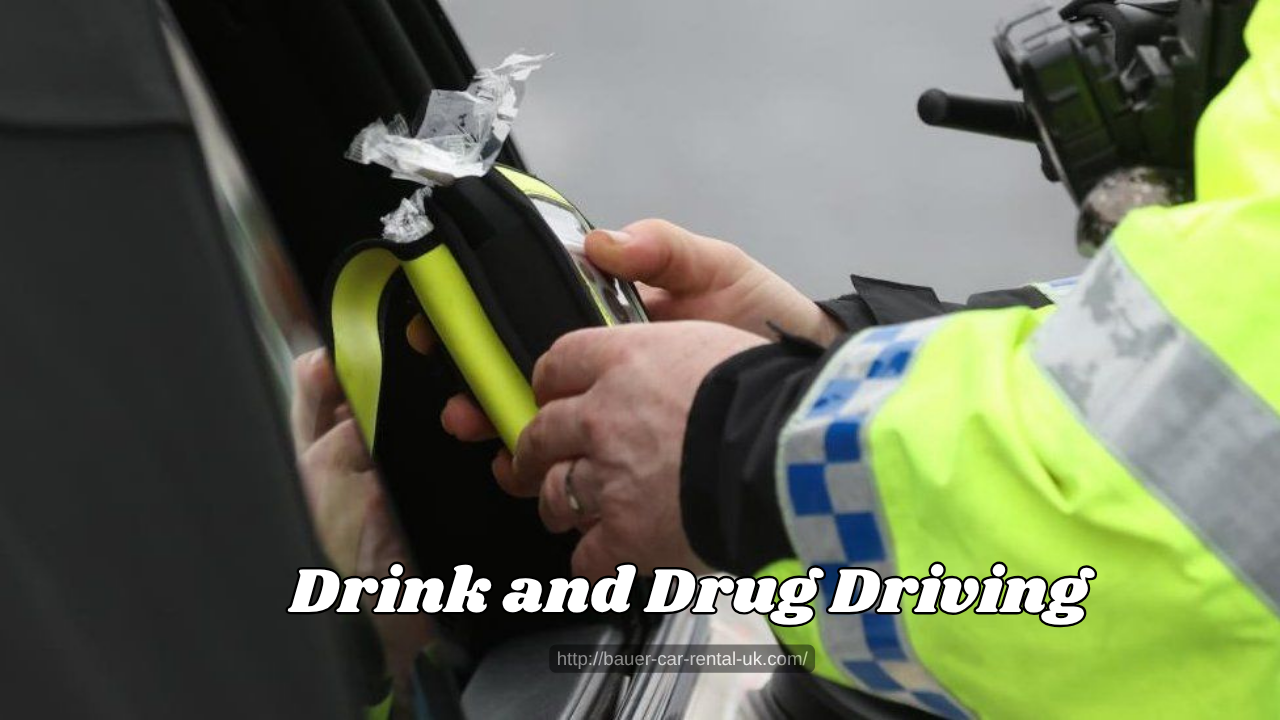
Police officers have the authority to stop any driver suspected of being under the influence. They can administer breath tests for alcohol or saliva swabs for drugs at the roadside. Refusing to take a test is a criminal offence and carries the same penalties as a failed test.

Roadside testing is typically more common during holiday periods and at night, but random checks can happen at any time.

Why These Laws Matter

Drink and drug driving remains one of the leading causes of road accidents in the UK. Impaired driving affects judgment, reaction time, and coordination, making accidents more likely. The legal framework is designed to protect not just drivers but also passengers, pedestrians, and other road users.

Conclusion

Understanding the UK’s drink and drug driving laws is essential for every driver. Staying informed helps prevent accidents, avoid severe legal consequences, and contribute to safer roads for everyone. The message is simple: if you plan to drink or use drugs, don’t drive.

The Future of DUI Prevention in the UK: Technology, Policy Changes, and Autonomous Vehicles

As road safety continues to be a top priority in the UK, the future of DUI (Driving Under the Influence) prevention is being shaped by rapid advances in technology, evolving policy frameworks, and the development of autonomous vehicles. While traditional enforcement methods have made significant strides in reducing drink and drug driving, emerging innovations promise to further transform how the UK combats impaired driving.

Technological Advancements

Technology is playing an increasingly vital role in DUI prevention through the development of smarter, more proactive tools.

  • Alcohol Detection Systems: One of the most promising innovations is the installation of in-car alcohol detection systems. These devices, often known as ignition interlocks, require drivers to pass a breath test before the engine starts. Already in use for high-risk offenders, future models may be standard in all vehicles.
  • Wearable Technology: Smartwatches and fitness trackers with built-in alcohol detection sensors are in development, potentially alerting users if their blood alcohol level exceeds the legal limit.
  • Mobile Applications: Apps designed to discourage DUI by offering safe ride alternatives, such as designated driver services or integration with ride-sharing platforms, are becoming more sophisticated and widely used.

Policy and Legislative Changes

The UK government continues to review and update legislation to ensure it remains effective against emerging DUI risks.

  • Lowering Legal Limits: Scotland has already implemented lower alcohol limits than the rest of the UK. There is growing discussion around applying these stricter thresholds nationwide.
  • Zero-Tolerance for Drugs: The current approach toward drug driving is nearly zero-tolerance, and future legislation may expand the list of tested substances and enhance penalties.
  • Mandatory Interlocks for Repeat Offenders: There is increasing support for making ignition interlocks mandatory for all repeat or high-risk DUI offenders.

The Rise of Autonomous Vehicles

One of the most groundbreaking changes on the horizon is the widespread adoption of autonomous vehicles (AVs).

  • Reducing Human Error: Since the vast majority of DUI-related crashes are caused by impaired human drivers, AVs have the potential to eliminate this risk entirely.
  • Policy and Ethical Questions: As AVs take on more control, legal frameworks must adapt to address liability, enforcement, and safety standards.
  • Transitional Challenges: While full autonomy is still years away, semi-autonomous features like lane-keeping assist, automatic braking, and adaptive cruise control are already helping to reduce the risk of DUI-related incidents.

Public Education and Integration

For any technological or policy innovation to be effective, public education remains key. Future campaigns will likely focus on:

  • Promoting the use of safe driving technologies
  • Raising awareness about updated laws
  • Encouraging responsible behaviour through digital platforms and social media

Conclusion

The future of DUI prevention in the UK is being shaped by a blend of technology, legislative reform, and the promise of autonomous transport. As these elements converge, the vision of safer, DUI-free roads becomes more attainable. However, achieving this future will require continued investment, public engagement, and a proactive approach to integrating innovations with existing road safety strategies.

Alternative Sentences for DUI Offenders: Are Rehabilitation Programs More Effective Than Jail?

In the UK, driving under the influence (DUI) is treated as a serious offence, with potential consequences including fines, licence suspension, and imprisonment. However, growing evidence suggests that for many offenders—especially those struggling with substance abuse—rehabilitation may be more effective than incarceration in reducing reoffending. This has led to the increased use of alternative sentencing options that focus on education, treatment, and behavioural change.

Understanding Alternative Sentencing

Alternative sentences offer courts a way to address the root causes of DUI offending, particularly in cases involving alcohol dependency or repeat behaviour. Instead of—or alongside—traditional penalties, offenders may be required to:

  • Attend rehabilitation or alcohol education programs
  • Participate in community service
  • Submit to regular drug or alcohol testing
  • Undergo counselling or therapy

These measures aim not just to punish, but to prevent future offences by helping individuals confront and manage their substance use.

Drink Drive Rehabilitation Courses (DDRCs)

One of the most widely used alternative sentencing options in the UK is the Drink Drive Rehabilitation Course (DDRC). Offenders convicted of drink driving can be offered the opportunity to take this course, which:

  • Lasts around 16 hours over several weeks
  • Covers the dangers of drink driving, legal implications, and strategies for safer choices
  • Offers a potential 25% reduction in the driving ban upon successful completion

Research by the Department for Transport indicates that individuals who complete DDRCs are significantly less likely to reoffend compared to those who don’t.

The Case for Rehabilitation Over Jail

Imprisonment is sometimes necessary, especially for repeat or dangerous offenders. However, it may not always address the underlying issues leading to DUI. Many offenders leave prison without treatment for alcohol or drug misuse, increasing the risk of reoffending.

Rehabilitation programs, in contrast, focus on:

  • Behavioural change: Helping offenders understand the impact of their actions and develop strategies to avoid future risk.
  • Accountability: Encouraging individuals to take responsibility in a constructive manner.
  • Support systems: Connecting offenders with long-term support to manage addiction and reintegration into society.

Challenges and Criticisms

While promising, alternative sentences face certain criticisms:

  • Public perception: Some view rehabilitation as being too lenient, especially in cases involving fatalities.
  • Consistency: The availability and quality of rehabilitation programs can vary by region.
  • Compliance: Not all offenders take these programs seriously, and some may fail to complete them.

Despite these challenges, many experts argue that alternative sentencing is more likely to result in long-term behavioural change and improved public safety.

Conclusion

Alternative sentences for DUI offenders, such as rehabilitation programs, represent a shift toward addressing the causes of offending rather than focusing solely on punishment. While jail remains appropriate in some cases, particularly those involving harm or repeat offences, rehabilitation offers a constructive path to recovery and reduced reoffending. As the UK continues to develop its approach to DUI, balancing public safety with effective rehabilitation will be key to making roads safer for all.

Driving Under the Influence and Fatal Accidents: Statistics and Case Studies from the UK

Driving under the influence (DUI) is one of the leading contributors to road fatalities in the UK. Despite increased awareness and stricter laws, alcohol and drug-impaired driving continue to cause devastating accidents. By examining the latest statistics and real-life case studies, we gain a clearer understanding of the impact DUI has on road safety and why efforts to combat it must remain a national priority.

DUI-Related Fatalities: The Statistics

According to the UK Department for Transport, in 2022:

  • There were an estimated 260 deaths resulting from drink driving incidents.
  • Around 6,740 people were killed or injured in accidents where a driver was over the alcohol limit.
  • Drug driving-related casualties were also on the rise, reflecting growing concern over narcotics behind the wheel.

These figures represent a significant portion of total road deaths, underscoring the deadly consequences of driving under the influence.

Trends and Demographics

  • Young Male Drivers: Drivers aged 20–29, particularly males, are disproportionately involved in DUI fatal accidents.
  • Late-Night Crashes: A large percentage of drink driving fatalities occur between midnight and 6 a.m., often after social events.
  • Rural Roads: Accidents are more likely to occur on rural roads, where higher speeds and limited lighting increase danger.

Case Study 1: The A34 Tragedy (2016)

One of the most shocking DUI-related incidents occurred in 2016 on the A34 in Berkshire. A Polish lorry driver, heavily intoxicated, crashed into a line of stationary traffic at high speed, killing a mother and three children.

  • The driver was found to be three times over the legal limit.
  • He received a 10-year prison sentence.

This tragic case prompted calls for stricter monitoring of foreign commercial drivers and greater investment in roadside testing.

Case Study 2: Christmas Eve Crash in South Wales (2019)

In December 2019, a man under the influence of cocaine and alcohol caused a fatal crash on the A4067 near Swansea. He collided head-on with another vehicle, killing a 54-year-old woman and seriously injuring others.

  • The offender had previous DUI convictions.
  • He was sentenced to over 12 years in prison and banned from driving for life.

This case highlighted the dangers of repeat offenders and the need for more rigorous enforcement and rehabilitation efforts.

Impact on Families and Communities

Each fatal DUI accident leaves a lasting impact on victims’ families and communities. Beyond the immediate loss of life, survivors often face long-term trauma, financial hardship, and emotional distress.

Memorial campaigns and victim advocacy groups, such as Brake and RoadPeace, work to raise awareness and push for tougher penalties, particularly for repeat offenders.

Conclusion

The statistics and case studies clearly demonstrate that DUI is a persistent and deadly problem on UK roads. Each fatal accident is a preventable tragedy, underscoring the urgent need for continued public education, strict law enforcement, and support for those affected. As long as individuals continue to risk driving under the influence, the campaign for safer roads must remain a top priority.

DUI and Public Awareness Campaigns: Are They Effective in Reducing Offenses?

Driving under the influence (DUI) remains a serious concern in the UK, contributing to road accidents, injuries, and fatalities each year. In response, public awareness campaigns have become a critical component of the strategy to reduce drink and drug driving offences. These campaigns aim to change driver behaviour through education, emotional appeal, and highlighting legal consequences. But how effective are these initiatives in truly reducing DUI offences?

The Role of Public Awareness Campaigns

Public awareness campaigns are designed to:

  • Inform: Educate the public about the dangers and consequences of drink and drug driving.
  • Influence: Encourage safer behaviour through emotional and psychological appeals.
  • Deter: Reinforce the risks of legal penalties, including fines, licence suspension, and imprisonment.

These campaigns are often delivered through multiple channels—television, radio, billboards, social media, and community outreach events—to reach as wide an audience as possible.

Notable UK Campaigns

Several high-profile campaigns have been launched in the UK over the years:

  • THINK! Campaign: One of the longest-running government initiatives, THINK! promotes road safety with hard-hitting messages, often using real-life stories and shocking visuals.
  • #Fatal4: A campaign by various police forces highlighting the four major causes of road traffic accidents—speeding, mobile phone use, not wearing seatbelts, and drink/drug driving.
  • Christmas and Summer Crackdowns: Targeted campaigns run during periods when DUI offences tend to rise, using increased police presence and heightened public messaging.

Effectiveness of Campaigns

Research suggests that public awareness campaigns can be effective when they are part of a comprehensive strategy that includes enforcement and education:

  • Behavioural Change: Campaigns like THINK! have contributed to a shift in public attitudes. Drink driving is now widely seen as socially unacceptable.
  • Reduced Offending Rates: Some studies indicate that DUI offences drop during campaign periods, especially when paired with visible police enforcement.
  • Increased Reporting and Caution: Public campaigns also empower individuals to report suspected drink drivers and make alternative transport arrangements when drinking.

However, effectiveness can vary based on message delivery, target audience, and frequency. Campaigns that rely solely on fear may not resonate with all drivers, particularly repeat offenders or those with substance abuse problems.

Challenges and Limitations

Despite their success, public awareness campaigns face several challenges:

  • Message Saturation: Repetition may cause people to tune out messages over time.
  • Limited Reach: Some demographics—especially younger drivers—may not be reached through traditional media.
  • Behaviour vs. Awareness Gap: Knowing the risks doesn’t always translate into behavioural change, especially under the influence of alcohol or peer pressure.

Conclusion

Public awareness campaigns are a vital tool in the fight against DUI offences in the UK. When integrated with law enforcement, community support, and rehabilitation services, they help shift cultural norms and promote safer driving behaviours. While not a standalone solution, these campaigns play an important role in reducing DUI-related harm and should continue to evolve to stay relevant and impactful.

Alcohol Limit Laws in the UK: What Every Driver Needs to Know

Woman preventing drunk man from taking car keys, closeup. Don’t drink and drive concept

The United Kingdom has strict alcohol limit laws for drivers, designed to enhance road safety and reduce accidents caused by impaired driving. These laws outline the permissible blood alcohol concentration (BAC) levels and the consequences of exceeding them. Whether you’re a seasoned driver or new to the road, understanding these regulations is crucial to staying on the right side of the law.


The Legal Alcohol Limits

The legal alcohol limits for drivers in the UK are measured through blood, breath, or urine tests. These limits differ slightly between regions:

  • England, Wales, and Northern Ireland:
    • Breath: 35 micrograms of alcohol per 100 milliliters.
    • Blood: 80 milligrams of alcohol per 100 milliliters.
    • Urine: 107 milligrams of alcohol per 100 milliliters.
  • Scotland:
    • Breath: 22 micrograms of alcohol per 100 milliliters.
    • Blood: 50 milligrams of alcohol per 100 milliliters.
    • Urine: 67 milligrams of alcohol per 100 milliliters.

Scotland’s stricter limits align more closely with European standards and reflect its commitment to reducing drink-driving incidents.


How Alcohol Affects Driving Ability

Even small amounts of alcohol can impair your driving abilities. Alcohol affects reaction times, coordination, and decision-making, all of which are critical for safe driving. Factors such as body weight, gender, metabolism, and food consumption can influence how alcohol affects you, making it difficult to predict when you might reach or exceed the legal limit.

For this reason, authorities recommend avoiding alcohol altogether if you plan to drive.


Testing and Enforcement

Police officers in the UK can stop drivers and administer roadside breath tests if they suspect alcohol impairment. They can also conduct tests after an accident or if a traffic offense has been committed.

If the roadside test indicates that you are over the limit, you will be taken to a police station for further testing. Failing or refusing to take these tests can result in severe legal consequences, including immediate arrest.


Penalties for Exceeding the Limit

The penalties for driving over the legal alcohol limit are severe, reflecting the potential harm caused by impaired driving. They include:

  • A minimum 12-month driving ban.
  • A fine of up to £5,000.
  • A criminal record.
  • Up to six months in prison.

Repeat offenders or those who cause serious accidents while over the limit face harsher penalties, including longer bans, heavier fines, and extended prison sentences.


Social and Financial Implications

Beyond legal consequences, being convicted of drink-driving can have long-lasting social and financial impacts. A criminal record may limit career opportunities, and insurance premiums will likely increase significantly. Furthermore, the stigma associated with a DUI conviction can damage personal relationships and reputation.


Staying Safe and Legal

The simplest way to avoid exceeding the alcohol limit is to abstain from drinking when driving. Consider alternative transportation options, such as taxis, public transport, or designated drivers. If you plan to drink, ensure you allow sufficient time for the alcohol to leave your system before getting behind the wheel.


Conclusion

Understanding alcohol limit laws in the UK is vital for all drivers. These regulations exist to protect lives and reduce the number of drink-driving incidents. By adhering to these laws and making responsible choices, drivers can contribute to safer roads for everyone.

The Consequences of Driving Under the Influence: Legal, Financial, and Social Impacts in the UK

Driving Under the Influence (DUI) is a grave offense in the United Kingdom, carrying severe consequences that extend far beyond legal penalties. The repercussions of DUI are multifaceted, affecting not only the offender but also their family, community, and, potentially, innocent road users. Understanding these consequences can help deter risky behaviors and encourage responsible decision-making.


Legal Consequences

The UK enforces stringent laws to combat DUI, aiming to safeguard all road users. The legal blood alcohol concentration (BAC) limit is 0.08% in England, Wales, and Northern Ireland, while Scotland imposes a stricter limit of 0.05%. Exceeding these limits or refusing a breathalyzer test can lead to immediate legal action.

First-time offenders face significant penalties, including a mandatory driving ban of at least 12 months, a fine of up to £5,000, and the possibility of up to six months in prison. Repeat offenders or those who cause accidents while under the influence face harsher sanctions, such as extended bans, higher fines, and longer prison sentences.

A DUI conviction results in a criminal record, which can have long-lasting implications. It may restrict opportunities to travel internationally, limit employment prospects, and tarnish an individual’s reputation.


Financial Consequences

The financial fallout from a DUI can be devastating. The immediate costs include fines, legal fees, and increased insurance premiums. A DUI conviction can lead to a dramatic rise in insurance rates, with some providers refusing to insure high-risk drivers altogether.

Additional costs may include mandatory participation in rehabilitation programs or alcohol awareness courses, which offenders must often pay for out of pocket. For professionals whose jobs require driving, losing a license could result in job loss and long-term financial instability.

In cases where a DUI incident causes property damage or injuries, the offender may be held liable for compensation claims. These costs can quickly escalate, resulting in financial hardship that lasts for years.


Social Consequences

The social consequences of a DUI are profound and often overlooked. A DUI conviction can strain personal relationships, as family and friends may struggle with the stigma attached to such an offense. Offenders may experience shame and guilt, impacting their mental health and well-being.

Professionally, a DUI can damage reputations and career prospects. For individuals in high-profile or trust-based roles, such as educators or healthcare professionals, a conviction can lead to dismissal or difficulty securing future employment.

DUI incidents also have a wider social impact. They increase the strain on emergency services, healthcare systems, and legal institutions. In the worst cases, DUI-related accidents result in fatalities, leaving lasting trauma for victims’ families and communities.


Preventing DUI

The best way to avoid the consequences of DUI is to abstain from driving after consuming alcohol or drugs. Designating a sober driver, using public transport, or calling a taxi are responsible alternatives. Public awareness campaigns and stricter enforcement of DUI laws have been instrumental in reducing incidents, but individual responsibility remains key.


Conclusion

The consequences of driving under the influence in the UK are far-reaching, encompassing legal, financial, and social dimensions. These penalties serve as a stern reminder of the importance of responsible driving. By understanding the gravity of DUI and making safer choices, individuals can protect themselves, their loved ones, and everyone sharing the road.

Understanding DUI Laws in the UK: A Comprehensive Guide for Driver

Driving Under the Influence (DUI) is a serious offense in the United Kingdom, governed by strict laws designed to ensure the safety of all road users. Understanding these laws is essential for every driver, as they can have significant legal, financial, and personal repercussions. This guide will help you navigate the complexities of DUI laws in the UK.

Legal Limits

In the UK, the legal blood alcohol limit for drivers varies depending on the region. In England, Wales, and Northern Ireland, the limit is 0.08% blood alcohol concentration (BAC). However, in Scotland, the limit is lower, set at 0.05% BAC. For drivers of commercial vehicles and those under the age of 21, the zero-tolerance approach is enforced, meaning any detectable alcohol can result in prosecution.

The limits are measured through breath, blood, or urine tests. Police officers can conduct roadside breath tests if they suspect a driver has been drinking. Refusing to take a breath test can result in an automatic driving ban and potential criminal charges.

Penalties for DUI

The penalties for DUI in the UK are severe and can vary depending on the circumstances. A first-time offense can lead to a driving ban of at least 12 months, a fine of up to £5,000, and even a prison sentence of up to six months. Repeat offenders or those involved in accidents while under the influence face harsher penalties, including longer bans and potential custodial sentences.

In addition to legal penalties, DUI convictions can have lasting effects on a driver’s life. Insurance premiums are likely to increase significantly, and having a DUI on your record can impact job prospects, particularly in fields requiring driving.

The Role of Police

Police play a crucial role in enforcing DUI laws. They have the authority to stop vehicles and conduct sobriety checks. During these stops, they may ask drivers to perform field sobriety tests, which can include walking in a straight line or following a pen with their eyes. If they suspect a driver is under the influence, they will request a breathalyzer test.

In situations where the driver fails the breath test or refuses to take one, they may be arrested and taken to a police station for further testing. It’s important to understand that failing or refusing a test can lead to serious legal consequences, often considered as severe as a DUI conviction itself.

Understanding the Legal Process

If you are charged with a DUI, the legal process can be daunting. The first step is usually an appearance in a magistrates’ court, where you will be informed of the charges against you. It’s advisable to seek legal counsel to navigate the complexities of the law and understand your rights.

Drivers have the right to contest the charges, and having an experienced solicitor can help in mounting a defense. Possible defenses may include challenging the legality of the stop, the accuracy of the breathalyzer, or demonstrating that the driver was not impaired.

Conclusion

Understanding DUI laws in the UK is crucial for every driver. Awareness of legal limits, potential penalties, and the role of law enforcement can significantly affect your choices behind the wheel. It is always advisable to err on the side of caution—if you plan to drink, consider alternative transportation options to ensure your safety and the safety of others on the road. The consequences of DUI are far-reaching, but with knowledge and responsible choices, drivers can help maintain safer roads for everyone.

Penalties, Consequences, and Legal Options

Driving under the influence (DUI) in the United Kingdom is a serious offence with significant legal and personal ramifications. UK law is strict when it comes to controlling drunk or drugged driving, aiming to ensure road safety and reduce accidents caused by impaired driving. This article explores UK DUI laws, the penalties involved, the consequences for offenders, and the legal options available to those charged.

UK DUI Laws: An Overview

In the UK, DUI is governed by the Road Traffic Act 1988, which makes it illegal to operate a vehicle while under the influence of alcohol or drugs to the point that your driving ability is impaired. There are specific legal alcohol limits for drivers, and the limits differ slightly depending on the substance.

The legal limits for alcohol are:

  • 35 micrograms of alcohol per 100 milliliters of breath
  • 80 milligrams of alcohol per 100 milliliters of blood
  • 107 milligrams of alcohol per 100 milliliters of urine

The legal limits are lower in Scotland, where the breath alcohol limit is 22 micrograms per 100 milliliters, while the blood alcohol limit is 50 milligrams per 100 milliliters. There is also a zero-tolerance policy for certain drugs, including cocaine and cannabis, and for those that impair driving ability.

Penalties for DUI in the UK

The penalties for driving under the influence in the UK vary depending on the severity of the offence and whether it is a first-time or repeat offence. Penalties can include fines, imprisonment, driving disqualification, or a combination of these.

  • Fines: Drivers convicted of DUI can face unlimited fines. The amount is typically based on the driver’s income and the circumstances of the case.
  • Driving Disqualification: First-time offenders can be disqualified from driving for at least 12 months. This increases to 3 years for a second offence within 10 years.
  • Imprisonment: In severe cases, such as when someone is injured or killed as a result of DUI, imprisonment for up to 14 years may be imposed. For standard offences, imprisonment can range from 3 to 6 months.
  • Criminal Record: A DUI conviction results in a criminal record, which can affect future employment opportunities, travel, and insurance premiums.

Consequences Beyond the Legal Penalties

Aside from legal penalties, a DUI conviction has long-lasting consequences. For instance, individuals convicted of DUI often face significantly increased car insurance premiums due to their higher risk profile. Additionally, a criminal record for DUI can restrict travel to certain countries, such as the United States, where entry restrictions apply to those with criminal convictions.

Personal relationships and employment may also be affected, especially if driving is a key component of one’s job. Professional drivers, such as taxi or delivery drivers, may lose their licenses and thus their livelihood.

Legal Options for Those Charged with DUI

Being charged with DUI is not necessarily the end of the road. Defendants have legal options that could help reduce or avoid penalties. It is important to seek professional legal advice from a solicitor experienced in motoring law.

In some cases, a defendant can challenge the accuracy of the breathalyzer or blood test results, especially if there were procedural errors made by the police. Additionally, proving that the driver was not impaired or that the alcohol level was below the legal limit at the time of driving can lead to a successful defense.

A reduction in penalties is possible through participation in the Drink-Drive Rehabilitation Scheme (DDRS), which allows offenders to reduce their driving ban by up to 25% upon successful completion of the course.

Driving under the influence is a grave offence in the UK, with severe legal, financial, and personal consequences. Understanding the law and knowing the penalties is crucial for anyone charged with DUI. While legal options exist, the best approach is to avoid drinking or using drugs when driving, as the risks far outweigh the temporary convenience.