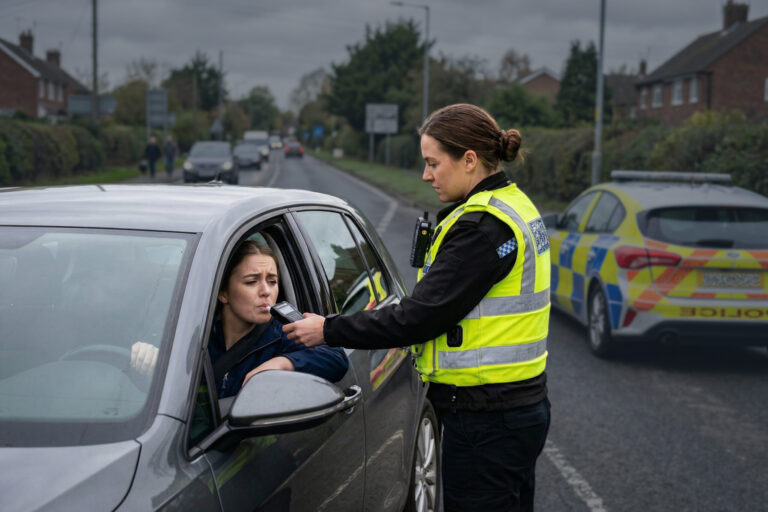
A DUI offense in the United Kingdom can change your daily life very quickly. A driving ban, financial penalties, employment concerns, and the emotional weight of a conviction can leave you feeling as though your future has suddenly become uncertain. However, the end of your time behind the wheel does not have to be the end of your story. For some people, a drink or drug driving offense becomes the moment when they recognize that alcohol or substance use has become difficult to control. It can also bring underlying anxiety, depression, trauma, stress, or other mental health concerns into focus. With the right support, this difficult period can become an opportunity to make lasting changes.
The term DUI is commonly used when discussing driving under the influence, although UK law uses specific offenses relating to drink driving, drug driving, and being unfit to drive. The legal consequences are serious, but recovery involves looking beyond the offense itself. It means asking what contributed to the decision, what needs to change, and what support can help prevent the same pattern from continuing.
Understanding What Happens After a DUI Offense in the UK
The consequences of driving under the influence depend on the specific offense and circumstances. A conviction for driving or attempting to drive while over the legal alcohol limit or unfit through drink can result in up to six months in prison, an unlimited fine, and a driving ban of at least one year. A second conviction within 10 years can result in a minimum three year disqualification.
Drug driving also carries serious consequences. A conviction can result in a minimum one year driving ban, an unlimited fine, up to six months in prison, and a criminal record. Drug driving endorsements remain on a driving record for 11 years.
A Driving Ban Can Affect Much More Than Transportation
Losing your license can affect your independence, employment, family responsibilities, and social life. If driving is part of your job, the consequences can be particularly difficult. Insurance costs can also increase significantly, and a conviction may create problems with international travel.
It is understandable to focus on these immediate concerns. However, there is another question that deserves attention:
What needs to change so that this does not happen again?
That question moves the conversation from punishment toward prevention and recovery.
A DUI Can Be a Warning Sign, But It Is Not a Diagnosis
Not everyone who receives a drink or drug driving conviction has an addiction. Some people make a serious mistake that does not reflect a long term pattern of substance misuse.
For others, however, the offense may be one visible sign of a much larger problem.
Perhaps drinking has gradually become a way to manage pressure. Maybe drugs are being used to escape difficult emotions. You may have noticed that you need more of a substance to achieve the effect you want, or that attempts to cut back have repeatedly failed.
A DUI can make it harder to ignore these warning signs.
Questions That Can Help You Understand the Pattern
After an offense, honest self assessment can be valuable. Consider whether:
- You regularly drink or use drugs to cope with stress.
- You have difficulty stopping once you begin.
- You have tried to reduce your substance use without lasting success.
- Alcohol or drugs have affected your relationships.
- Your work, finances, sleep, or responsibilities have suffered.
- You continue using despite negative consequences.
- You have driven under the influence on more than one occasion.
- You feel that substances have become central to your routine.
- You experience anxiety, depression, irritability, or emotional distress when you try to stop.
These questions are not about judging you. They can help identify whether professional addiction support may be appropriate.
Look Beyond the Driving Offense
A DUI is a behavior with serious consequences. Effective recovery asks why that behavior occurred.
For some people, substance use develops alongside untreated mental health concerns. Anxiety, depression, trauma, grief, chronic stress, loneliness, and other emotional difficulties can influence how someone copes with everyday life.
Alcohol and drugs may seem to offer temporary relief. Unfortunately, that relief can reinforce the cycle.
When Alcohol or Drugs Become a Coping Strategy
Imagine someone who regularly finishes work feeling overwhelmed. They drink to switch off. At first, it may seem manageable. Over time, however, drinking becomes the primary way they relax.
Another person may struggle with social anxiety and use alcohol before going out. Someone else may use drugs to escape painful memories or emotional distress.
Eventually, the coping strategy itself can become a source of problems.
Treatment should therefore address more than the substance. It should help identify healthier ways to manage the underlying emotions, situations, and triggers that contribute to use.
Recovery Can Start During the Driving Ban
A driving ban can feel like lost time. It does not have to be.
This period can provide an opportunity to focus on your health, relationships, routines, and long term goals. Instead of simply waiting for the ban to end, you can use the time to address the factors that contributed to the offense.
Take Responsibility Without Getting Stuck in Shame
Taking responsibility is an important part of recovery. That means recognizing the potential harm caused by driving under the influence and being honest about your choices.
However, responsibility is different from believing that you are permanently defined by your worst decision.
Shame can encourage secrecy and avoidance. Recovery requires honesty, accountability, and a willingness to make different choices.
If alcohol or drugs played a significant role in the offense, professional treatment can provide a structured environment for understanding that relationship and developing healthier alternatives.
Choosing the Right Addiction Treatment
There is no single recovery plan that works for everyone. The right approach depends on substance use, physical health, mental health, home circumstances, relationships, responsibilities, and personal goals.
Inpatient Treatment
Inpatient care can provide a structured setting for people who need a higher level of support. Stepping away from familiar triggers can create space to focus on recovery, develop healthier routines, and participate consistently in treatment.
For someone whose home environment makes it difficult to stop using substances, residential support may provide valuable stability.
Outpatient Treatment
Outpatient care offers another option. It can allow individuals to receive professional addiction and mental health support while continuing with appropriate family, work, or other responsibilities.
This approach can be particularly useful for people who have a stable environment and can apply recovery strategies in their everyday lives.
A professional assessment can help determine which level of treatment is appropriate.
Treating Mental Health Can Strengthen Recovery
If anxiety, depression, trauma, or another mental health concern is connected to substance use, it deserves attention.
Simply telling someone to stop drinking or taking drugs may not address the reason they began relying on substances in the first place.
Developing Healthier Ways to Cope
Recovery can involve learning practical strategies for handling difficult emotions without returning to alcohol or drugs.
Depending on individual needs, treatment may focus on:
- Identifying emotional and environmental triggers.
- Managing stress more effectively.
- Developing healthier responses to anxiety.
- Processing unresolved trauma.
- Improving communication and relationships.
- Establishing consistent sleep and daily routines.
- Recognizing cravings before they become overwhelming.
- Building a support network.
- Developing realistic long term recovery goals.
These skills can make a significant difference because recovery is not simply about removing a substance. It is also about creating a life in which substance use is no longer necessary as a primary coping mechanism.
Holistic and Faith Based Support Can Add Another Dimension
Recovery involves the whole person. Physical health, emotional wellbeing, relationships, values, purpose, and personal beliefs can all influence the recovery process.
A holistic approach may incorporate healthy nutrition, exercise, sleep, mindfulness, stress management, meaningful activities, and other practices that support overall wellbeing alongside professional treatment.
For individuals whose faith is an important part of their lives, faith based care can provide an additional source of meaning, hope, accountability, and community.
Individualized Care Matters
Two people can receive the same DUI offense and have completely different reasons for how they got there.
One person may need help with alcohol dependency. Another may be struggling with trauma. Someone else may need support for depression and prescription medication misuse. Another individual may have a combination of addiction, mental health concerns, relationship difficulties, and work related stress.
Effective care should take those differences into account.
Practical Steps After a DUI
If you are dealing with a DUI offense, consider taking several practical steps rather than waiting for the situation to resolve itself.
Follow Your Legal Requirements
Take your court and licensing obligations seriously. If you have been disqualified, do not drive during the period of disqualification.
For eligible drink driving convictions in England and Scotland, a court may offer a drink drive rehabilitation course when the driving ban is 12 months or longer. Completing the course within the required timeframe can usually reduce the ban by one quarter. This scheme does not apply to drug driving convictions.
Get an Honest Assessment
If you are questioning your relationship with alcohol or drugs, consider speaking with an addiction professional. An assessment can help clarify the severity of the problem and whether inpatient, outpatient, or another form of support may be appropriate.
Tell Someone You Trust
Isolation can make recovery harder. Consider speaking honestly with someone who can support you without enabling harmful behavior.
That might be a family member, trusted friend, counselor, treatment professional, or member of a faith community.
Use the Ban as a Recovery Opportunity
Instead of measuring the time until you can drive again, consider measuring progress in other ways.
Are you sleeping better? Are you drinking less or remaining abstinent? Are your relationships improving? Are you handling stress differently? Are you beginning to understand the situations that trigger substance use?
These are meaningful signs of progress.
Your Future Is Bigger Than Your Driving Conviction
A DUI can become one of the most difficult experiences a person has faced. It can bring financial pressure, damaged trust, restrictions on independence, and uncertainty about the future.
But a conviction does not have to become your identity.
If the offense exposed an addiction or mental health concern, addressing that issue may be one of the most important steps you can take. Recovery can help you understand the pattern behind the behavior, develop healthier coping strategies, repair relationships, and create a stronger foundation for the future.
The goal is not simply to get your license back.
The goal is to get your life back.
Take the Next Step Toward Recovery
If you are struggling with alcohol or drugs after a DUI offense, you do not have to handle everything alone. Professional addiction recovery and mental health treatment can provide the guidance, structure, and accountability needed to begin making meaningful changes.
Inpatient and outpatient care offer different levels of support, while holistic, faith based, and individualized approaches can help treatment address the person as a whole.
Your DUI may be part of your history, but it does not have to determine your future. If you recognize that alcohol, drugs, or an underlying mental health concern has become difficult to manage, reaching out for help can be the beginning of something different.
The driving ban will eventually end. The more important question is what you will do with the opportunity to change what comes next.