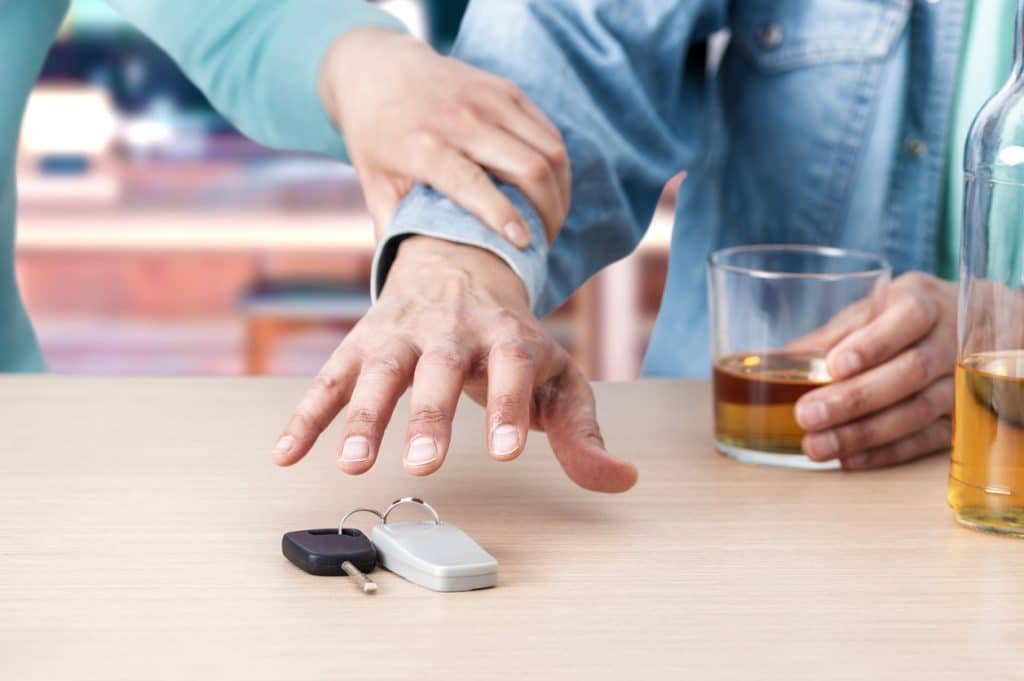
From First Offense to Future Choices: Navigating DUI Charges and Building a Healthier Road Ahead in the UK

Facing a DUI charge in the United Kingdom can feel overwhelming, especially if it is your first offense. The legal consequences are serious, but the experience can also serve as a turning point for reflection, personal growth, and healthier decision-making. Understanding UK DUI laws, the emotional and mental health impact, and the recovery resources available can help individuals take control of their lives and build a safer, more positive future.

Understanding Your First DUI Offense

A DUI, or driving under the influence, occurs when an individual operates a vehicle while impaired by alcohol, drugs, or both. The UK has strict legal limits for blood alcohol concentration. In England, Wales, and Northern Ireland, the limit is 80 milligrams of alcohol per 100 milliliters of blood, while in Scotland, the limit is 50 milligrams. Driving while impaired by prescription or illegal drugs that reduce coordination or alertness is also illegal.

First-time offenses carry specific legal consequences, but they can also highlight the need for support with substance use or mental health challenges.

Legal Consequences of a First Offense

Even for a first offense, the penalties can include fines, a driving ban, community service, and mandatory participation in rehabilitation programs. A criminal record may affect employment, insurance rates, and personal relationships. Understanding these consequences helps individuals make informed choices and recognize the importance of addressing underlying challenges.

Emotional and Mental Health Impact

Beyond the legal implications, a DUI can take an emotional toll. Feelings of guilt, anxiety, and fear about the future are common. These emotions can exacerbate stress or worsen pre-existing mental health conditions. Addressing these emotional challenges is essential to prevent further substance use and promote overall well-being.

Recovery and Support Options

Professional support can provide guidance for both legal and personal challenges associated with a DUI. Treatment programs often focus on addiction recovery, mental health support, and holistic healing approaches.

Inpatient Treatment

Inpatient programs offer a structured environment where individuals receive 24-hour care, counseling, and therapy. This intensive support is ideal for those struggling with severe substance use or co-occurring mental health conditions. Participants develop coping strategies, build healthier habits, and learn tools to maintain sobriety after discharge.

Outpatient Programs

Outpatient programs provide flexibility, allowing individuals to continue with daily responsibilities while receiving therapy, counseling, and recovery support. These programs help reinforce strategies learned during inpatient care and provide ongoing accountability.

Holistic and Faith-Based Approaches

Holistic programs focus on mind, body, and spirit wellness. Practices such as meditation, mindfulness, and physical fitness complement traditional therapy. Faith-based programs offer spiritual guidance and community support, giving individuals purpose, encouragement, and a sense of belonging. Individualized care ensures treatment aligns with each person’s unique needs and values.

Making Choices for a Healthier Future

A first DUI offense can be a pivotal moment. Choosing to seek professional help demonstrates accountability and a commitment to personal growth. Recovery programs provide tools for managing substance use, improving mental health, and making safer choices on the road. By embracing support, individuals can reduce the risk of future offenses and build a foundation for long-term wellness.

Conclusion

From first offense to future choices, navigating a DUI charge requires understanding legal obligations and addressing emotional, mental, and substance use challenges. Compassionate, professional support can transform a difficult experience into an opportunity for growth, recovery, and healthier decision-making. If you or a loved one are struggling with substance use, reaching out to a trusted recovery program today is the first step toward safety, well-being, and lasting change.

UK DUI Penalties Explained — and How to Get Help If You’re Struggling with Substance Use

Driving under the influence in the United Kingdom carries serious legal consequences, but it also signals a deeper challenge for many individuals: managing substance use and protecting one’s mental and emotional health. A DUI charge can feel overwhelming, bringing fears about fines, license suspensions, and even jail time. Understanding the legal penalties, alongside available support for substance use, is essential for making informed decisions and starting a path toward recovery.

Understanding DUI Laws in the UK

In the UK, a DUI occurs when a person operates a vehicle while impaired by alcohol, drugs, or both. The law establishes strict limits for blood alcohol concentration. In England, Wales, and Northern Ireland, the legal limit is 80 milligrams of alcohol per 100 milliliters of blood. Scotland has a lower limit of 50 milligrams per 100 milliliters. Driving while impaired by drugs, whether illegal substances or prescription medications that affect coordination and alertness, also constitutes a DUI.

Violating these laws is a criminal offense with consequences designed to protect the safety of all road users.

Common Penalties for DUI in the UK

The penalties for a DUI vary depending on factors such as blood alcohol level, prior offenses, and whether an accident occurred. Typical consequences include fines, driving bans, and imprisonment. First-time offenders may face a minimum 12-month driving ban and be required to complete rehabilitation or educational programs. Repeat offenders often encounter stricter fines, longer driving bans, or prison sentences.

Fines and Financial Consequences

A DUI conviction typically comes with substantial fines, which increase with repeated offenses. The financial impact may extend to higher insurance premiums and other related costs. These financial pressures can add to the emotional stress of dealing with a DUI.

License Suspension and Driving Restrictions

Losing the ability to drive can disrupt daily life, affecting work, family responsibilities, and social activities. Mandatory driving bans often accompany first offenses, while repeat offenses can result in longer suspensions or even permanent loss of driving privileges. Reinstating a license may require passing additional tests or attending rehabilitation programs.

Legal and Criminal Record Implications

A DUI results in a criminal record, which can influence future employment opportunities, travel, and personal reputation. Understanding the long-term implications helps individuals make responsible choices and prioritize recovery efforts alongside legal compliance.

Addressing Substance Use and Mental Health

Many DUI cases involve underlying challenges with substance use and mental health. Anxiety, stress, or unresolved trauma often contribute to alcohol or drug use. Recognizing these factors is critical to preventing future incidents and supporting overall well-being. Holistic addiction treatment programs address both the substance use and the mental health aspects, providing a comprehensive approach to recovery.

Inpatient and Outpatient Programs

Inpatient programs offer a structured environment with 24-hour support, therapy, and wellness activities. This intensive approach is beneficial for individuals with severe substance use issues or co-occurring mental health challenges. Outpatient programs provide flexibility, allowing participants to maintain work or family responsibilities while receiving counseling, therapy, and recovery guidance.

Holistic and Faith-Based Approaches

Holistic care emphasizes mind, body, and spirit wellness. Mindfulness practices, physical wellness routines, and meditation complement therapy to support emotional stability. Faith-based programs provide spiritual guidance and community support, fostering accountability and purpose. Individualized treatment plans ensure that each person receives care tailored to their unique needs.

Taking the Next Step Toward Recovery

A DUI is a critical moment to consider professional support. Seeking help for substance use and mental health challenges can reduce the risk of future incidents and improve overall well-being. Recovery is a journey, and compassionate, expert guidance makes it achievable. Engaging with professionals provides the tools, support, and encouragement needed to rebuild confidence, restore safety, and embrace a healthier lifestyle.

Conclusion

Understanding UK DUI penalties is essential for navigating the legal consequences, but addressing the emotional and substance use aspects is equally important. Compassionate, professional support can help individuals overcome addiction, manage stress, and develop healthier habits. If you or a loved one are struggling with substance use, reaching out to a trusted recovery program today can be the first step toward lasting change, safety, and well-being.

Beyond the Breathalyzer: The Emotional and Mental Health Impact of DUI in the UK

Driving under the influence in the United Kingdom is more than a legal issue. While fines, license suspensions, and criminal records are the immediate consequences, the emotional and mental health impact often goes unnoticed. For individuals struggling with substance use, a DUI can trigger feelings of guilt, anxiety, and shame, affecting overall well-being and making recovery more challenging. Understanding the broader effects of impaired driving and accessing professional support can help individuals regain control and rebuild their lives.

The Emotional Toll of a DUI

Receiving a DUI charge can be a distressing experience. Many individuals report overwhelming emotions such as fear, embarrassment, and regret. These feelings can intensify pre-existing mental health conditions, including depression and anxiety. The fear of legal repercussions, judgment from family or peers, and potential job consequences often exacerbates stress. Addressing the emotional impact is as important as dealing with the legal aspects, as unprocessed emotions can lead to further substance use or harmful coping mechanisms.

Feelings of Guilt and Shame

Guilt and shame are common emotional responses after a DUI. Individuals may struggle with the thought of endangering themselves or others, which can lead to a cycle of self-blame. Left unaddressed, these feelings can worsen mental health challenges and interfere with recovery efforts. Compassionate counseling and therapeutic support can provide a safe space to process these emotions and develop healthier coping strategies.

Anxiety and Fear About the Future

A DUI charge often brings uncertainty about the future. Concerns about career, finances, and relationships can create significant anxiety. This stress can make it harder for individuals to focus on recovery, highlighting the need for mental health support alongside legal guidance. Therapy and structured recovery programs can help manage anxiety and rebuild confidence.

The Link Between Substance Use and Mental Health

Driving under the influence often intersects with broader substance use challenges. Addiction is rarely isolated to behavior alone; it is closely linked with mental health. For many, substance use serves as a coping mechanism for stress, trauma, or emotional difficulties. Understanding this connection is essential. Holistic treatment programs that address both mental health and addiction provide a comprehensive path to recovery, reducing the risk of future DUI incidents.

Recovery Resources and Support Options

Professional support is crucial for individuals affected by DUI and substance use. Programs vary based on individual needs and may include inpatient or outpatient care, holistic approaches, and faith-based guidance.

Inpatient Care

Inpatient treatment offers a structured environment where individuals can focus entirely on recovery. With round-the-clock support, therapy, and wellness programs, patients receive guidance to address both substance use and underlying emotional challenges. This intensive approach is effective for those experiencing severe addiction or heightened stress following a DUI.

Outpatient Programs

Outpatient programs provide flexibility for individuals who need to maintain daily responsibilities while receiving support. Therapy sessions, counseling, and structured recovery activities help participants develop coping strategies, manage stress, and maintain sobriety. Outpatient care is ideal for those seeking continuous guidance without full-time residential treatment.

Holistic and Faith-Based Approaches

Holistic approaches emphasize mind, body, and spirit wellness. Techniques such as mindfulness, meditation, and physical fitness routines support emotional stability. Faith-based programs add a spiritual dimension to recovery, offering purpose, community support, and accountability. Individualized treatment plans ensure that care aligns with each person’s unique needs and values.

Taking the Next Step

A DUI can feel like a turning point, highlighting the need for professional help and personal growth. Seeking support from trained addiction and mental health specialists can address both the legal and emotional impact of a DUI. Early intervention not only reduces the risk of future incidents but also provides tools for long-term recovery and mental well-being.

Conclusion

Driving under the influence affects more than just your legal record. It impacts emotional health, mental well-being, and overall life stability. Understanding the broader consequences and accessing compassionate, professional support is essential. Recovery is possible with the right guidance, individualized care, and holistic approaches. If you or a loved one are struggling with substance use, reach out to a trusted recovery program today to take the first step toward healing, safety, and lasting change.

When Alcohol, Drugs, and Driving Collide: What You Need to Know About UK DUI Laws and Recovery Resources

Driving under the influence of alcohol or drugs is a serious concern in the United Kingdom. Every year, thousands of individuals face legal, personal, and health consequences as a result of impaired driving. For those struggling with substance use, a DUI (driving under the influence) charge can be both frightening and overwhelming. Understanding UK laws, the potential consequences, and the recovery resources available can empower individuals to make safer choices and seek the help they need.

Understanding DUI Laws in the United Kingdom

In the UK, driving under the influence refers to operating a vehicle while impaired by alcohol, drugs, or both. The law sets strict limits for blood alcohol concentration. In England, Wales, and Northern Ireland, the limit is 80 milligrams of alcohol per 100 milliliters of blood. In Scotland, the limit is lower at 50 milligrams per 100 milliliters. Exceeding these limits, or driving under the influence of drugs that impair your ability to drive safely, is considered illegal and can lead to severe penalties.

UK DUI laws also cover prescription or over-the-counter medications if they impair driving. Even substances legally prescribed by a doctor can result in charges if they reduce coordination, reaction time, or alertness. Understanding the scope of these laws is crucial for anyone managing substance use.

Legal Consequences of a DUI

A DUI charge in the UK carries significant legal repercussions. Common penalties include fines, license suspension, mandatory driving courses, and even imprisonment. First-time offenders may face a minimum 12-month driving ban, while repeat offenders encounter stricter consequences. A DUI conviction can also impact employment opportunities, insurance premiums, and personal relationships.

Legal challenges often coincide with emotional stress. The fear of losing independence, facing public scrutiny, or harming others can be overwhelming. Addressing both legal and emotional aspects is essential for long-term recovery.

The Connection Between Substance Use and Mental Health

Substance use often intersects with mental health challenges, such as anxiety, depression, or stress. A DUI incident may highlight underlying struggles with addiction or mental health issues. Recognizing this connection is critical. Professional support can help individuals address both the substance use that contributed to the DUI and the emotional or psychological factors that influence behavior.

Recovery Resources Available

Support and recovery resources are available for individuals affected by substance use. Programs often include both inpatient and outpatient options, tailored to the needs of each individual.

Inpatient Programs

Inpatient treatment provides a structured, safe environment for individuals who require intensive support. Residents receive round-the-clock care, counseling, and therapy focused on building coping skills, developing healthier habits, and reducing the risk of relapse. This immersive approach is highly effective for those struggling with severe substance use.

Outpatient Programs

Outpatient programs offer flexibility for individuals who want to maintain daily responsibilities such as work or family care. These programs provide therapy, counseling, and ongoing support while allowing individuals to integrate recovery strategies into their daily lives.

Holistic and Faith-Based Approaches

Holistic and faith-based approaches address the mind, body, and spirit. Techniques such as mindfulness, meditation, and physical wellness routines support overall health. Faith-based programs provide spiritual guidance and community support, offering individuals a sense of purpose and accountability throughout their recovery journey.

Taking Action and Seeking Help

A DUI can feel like a major setback, but it can also serve as a turning point. Seeking professional guidance is essential for navigating legal challenges, addressing substance use, and supporting mental and emotional well-being. Recovery is a journey, and the right support system can make a meaningful difference in achieving long-term health and safety.

Conclusion

When alcohol, drugs, and driving collide, the consequences extend far beyond legal penalties. They affect emotional health, personal relationships, and overall quality of life. Compassionate, professional support through addiction recovery services can help individuals take control, heal, and build a safer, healthier future. If you or a loved one are struggling with substance use, reach out to trained professionals today to explore personalized recovery options and start your journey toward lasting change.

Understanding Driving Under the Influence in the United Kingdom: Legal Consequences and Support Options

Driving under the influence is a serious issue in the United Kingdom, carrying significant legal and personal consequences. For individuals struggling with alcohol or substance use, a DUI (driving under the influence) charge can be both overwhelming and life-changing. Understanding the laws, the potential penalties, and the support available can make a critical difference in taking responsible steps toward recovery and a healthier future.

What Constitutes Driving Under the Influence in the UK

In the UK, driving under the influence refers to operating a vehicle while impaired by alcohol, drugs, or a combination of both. The law sets strict limits on blood alcohol concentration. For drivers in England, Wales, and Northern Ireland, the legal limit is 80 milligrams of alcohol per 100 milliliters of blood. In Scotland, the limit is lower at 50 milligrams per 100 milliliters of blood. Driving above these limits, or under the influence of illegal or prescription drugs that impair your ability to drive safely, can result in criminal charges.

Legal Consequences of a DUI

Facing a DUI charge in the UK carries a range of potential penalties, including fines, license suspension, community service, and even imprisonment. For first-time offenders, a driving ban of at least 12 months is common, along with mandatory participation in rehabilitation programs. Repeat offenses can lead to more severe legal repercussions and a permanent criminal record. Beyond the legal penalties, a DUI can impact employment opportunities, insurance rates, and personal relationships.

The Emotional and Mental Health Impact

A DUI is not only a legal issue but also an emotional and mental health challenge. Feelings of guilt, anxiety, and shame often accompany a DUI charge. Individuals struggling with substance use may find these feelings overwhelming, potentially worsening addiction or mental health conditions. Addressing the emotional impact is as important as navigating the legal consequences. Compassionate mental health support can help individuals process their experiences and regain confidence in their decision-making.

Support Options for Recovery

For those struggling with substance use, recovery support is available through both inpatient and outpatient programs. Holistic approaches, including counseling, therapy, faith-based guidance, and individualized treatment plans, can address the root causes of addiction and promote long-term wellness. Programs often focus on:

Inpatient Treatment

Inpatient care provides a structured environment for individuals needing intensive support. Residents receive around-the-clock medical supervision, therapy sessions, and skill-building activities to develop coping strategies and reduce the risk of relapse.

Outpatient Programs

Outpatient programs allow individuals to receive therapy and support while maintaining daily responsibilities such as work or family care. These programs are ideal for those who need ongoing guidance and accountability while gradually reintegrating into everyday life.

Holistic and Faith-Based Approaches

Holistic treatment options address the mind, body, and spirit, incorporating techniques such as mindfulness, meditation, and physical wellness routines. Faith-based programs offer spiritual guidance and community support to help individuals navigate their recovery journey with purpose and hope.

Taking the Next Step

A DUI charge can feel overwhelming, but it also presents an opportunity to make meaningful changes. Seeking professional help can reduce the risk of future incidents, support mental and emotional healing, and lay the foundation for long-term recovery. If you or a loved one is struggling with substance use, reaching out to trained addiction recovery professionals can provide personalized care and guidance every step of the way.

Conclusion

Understanding driving under the influence in the United Kingdom is more than knowing the laws and penalties. It is about recognizing the personal, emotional, and health challenges that accompany substance use. Compassionate support, legal awareness, and professional guidance are essential to overcoming these challenges and building a safer, healthier future. Take the first step today by reaching out to a trusted recovery program and reclaim control over your life.

UK Drug Driving Limits Explained: How Much Is Too Much Behind the Wheel

Driving under the influence of drugs is a serious offence in the United Kingdom, carrying significant legal and personal consequences. Unlike alcohol, where blood alcohol limits are widely known, many drivers are unaware of the strict thresholds for controlled substances. Exceeding these limits, even unintentionally, can result in prosecution, fines, driving bans, and a criminal record. At Bauer Car Rental UK, we understand that drug driving often intersects with deeper challenges, such as substance dependency or mental health issues, and we offer compassionate, professional support to help individuals regain control and make safer choices.

Understanding Drug Driving Limits in the UK

Specific Substance Limits

UK law sets precise thresholds for controlled substances measured in micrograms per litre of blood. Drivers exceeding these limits can face prosecution, regardless of whether an accident occurs. Key examples include:

  • Cannabis (THC): 2 micrograms per litre
  • Cocaine: 10 micrograms per litre
  • MDMA (ecstasy): 10 micrograms per litre
  • Heroin (morphine): 80 micrograms per litre

Prescription medications, such as opioids or benzodiazepines, are also considered if they impair your driving. Always follow medical guidance and disclose prescriptions when required.

Zero-Tolerance Approach

The UK enforces a zero-tolerance approach for many substances. Even small traces of certain drugs can lead to prosecution, highlighting the importance of understanding how prescribed or recreational substances can impact driving ability.

How Drivers Are Tested

Roadside Testing

Police use saliva swabs at the roadside to detect potential impairment from drugs. These tests screen for common substances and indicate whether further evaluation is necessary.

Blood and Urine Analysis

If a roadside test is positive, drivers are taken to a police station for blood or urine tests. These confirm the presence and concentration of drugs, providing legal evidence for prosecution. Refusing testing can result in automatic penalties, including fines and driving bans.

Observational Assessment

Officers also monitor drivers’ behaviour for signs of impairment, such as delayed reaction times, poor coordination, and erratic driving. This helps identify impaired drivers even if test results are borderline.

Consequences of Exceeding Drug Limits

Legal Penalties

Exceeding UK drug driving limits can result in:

  • Driving bans of at least 12 months, longer for repeat offenders
  • Unlimited fines determined by the court
  • Up to six months in prison for standard offences
  • A criminal record affecting employment, travel, and insurance

Repeat offences or cases causing accidents can lead to more severe penalties, including extended bans and mandatory rehabilitation programs.

Impact on Daily Life

Beyond legal consequences, drug driving convictions can impact personal relationships, career opportunities, and mental wellbeing. This is why addressing underlying substance use or mental health challenges is essential.

Recovery and Support

At Bauer Car Rental UK, we focus on holistic, individualized care. Our services include:

  • Inpatient and outpatient addiction treatment for safe, structured recovery
  • Mental health support addressing anxiety, depression, trauma, and co-occurring conditions
  • Faith-based and holistic therapies promoting overall wellbeing
  • Personalized care plans designed to prevent relapse and support long-term change

By combining legal awareness with compassionate support, individuals can reduce the risk of reoffending and make safer, healthier decisions.

Conclusion

Understanding UK drug driving limits is essential for all drivers. Legal thresholds are strict, and the consequences of exceeding them are significant. However, lasting change comes from addressing the underlying causes of drug use and impairment. At Bauer Car Rental UK, we offer professional, compassionate, and individualized support to help individuals recover, regain control, and build safer, healthier lifestyles. If you or a loved one is struggling with substance use or facing a drug driving charge, taking the first step toward support today can make a life-changing difference.

Drug Driving and Mental Health: Why Recovery Support Matters in the UK

Driving under the influence of drugs is a serious offence in the United Kingdom, carrying significant legal and personal consequences. Beyond fines, driving bans, and criminal records, many individuals who are caught drug driving are also grappling with underlying mental health challenges or substance dependency. Addressing these root causes is essential for preventing repeat offences and promoting lasting wellbeing. At Bauer Car Rental UK, we provide compassionate, professional, and individualized support to help people recover, regain control, and make safer choices for themselves and their communities.

The Link Between Drug Driving and Mental Health

Understanding Co-Occurring Issues

Many drug driving incidents are not isolated mistakes but are linked to deeper struggles such as anxiety, depression, trauma, or substance use disorders. Mental health challenges can impair judgment, reduce impulse control, and increase the likelihood of risky behaviour on the road. Recognizing this connection is crucial for effective intervention and prevention.

The Risk of Repeat Offending

Without proper treatment, individuals who drive under the influence are at a higher risk of reoffending. Simply serving a fine or completing a driving ban does not address the underlying causes of drug use. Recovery support that includes mental health care and addiction treatment is essential for breaking this cycle.

How the UK Supports Recovery

Legal Requirements and Rehabilitation Programs

UK courts often provide access to rehabilitation courses or drug awareness programs as part of sentencing. These programs educate offenders on the risks of drug driving and provide practical tools for managing substance use. Completing these courses can sometimes reduce the length of a driving ban and serve as a critical step toward long-term recovery.

Comprehensive Treatment Approaches

At Bauer Car Rental UK, we understand that recovery goes beyond legal compliance. Our services include:

  • Inpatient and outpatient addiction treatment tailored to each individual’s needs
  • Mental health support for conditions such as anxiety, depression, and trauma
  • Holistic and faith-based therapies to promote emotional, spiritual, and physical wellbeing
  • Individualized recovery plans designed to reduce relapse and support long-term behaviour change

Combining addiction treatment with mental health care ensures that individuals receive the support needed to address the root causes of drug-impaired driving.

The Benefits of Recovery Support

Reducing Risk and Rebuilding Confidence

Recovery programs help individuals develop coping strategies, manage cravings, and rebuild confidence in daily life. These skills are essential not only for compliance with the law but also for maintaining healthy relationships, employment, and personal safety.

Supporting Safe Return to Driving

For those whose licences have been suspended or revoked, structured recovery programs provide the tools and accountability necessary to return to driving responsibly. This approach reduces the risk of reoffending and promotes long-term public safety.

Conclusion

Drug driving in the UK is a serious offence, but it often reflects deeper challenges with mental health and substance use. Addressing these underlying issues through comprehensive, compassionate support is essential for lasting recovery and safer driving. At Bauer Car Rental UK, we offer professional, individualized care that integrates addiction treatment, mental health services, and holistic therapies. If you or a loved one is facing a drug driving charge or struggling with substance use, seeking support today can be the first step toward a healthier, safer, and more fulfilling future.

From Roadside Tests to Court: How the UK Enforces Drug Driving Laws

Driving under the influence of drugs is a serious offence in the United Kingdom. Beyond the immediate dangers to yourself and others, a conviction can have lasting effects on your life, including fines, driving bans, and a criminal record. Many individuals facing drug driving charges are also dealing with substance use or mental health challenges, highlighting the importance of support alongside legal accountability. At Bauer Car Rental UK, we combine professional addiction recovery services with compassionate care, helping individuals make safer choices and rebuild their lives.

Roadside Testing: The First Line of Enforcement

UK police officers use roadside tests to detect potential drug impairment quickly. Saliva swabs are the most common method, screening for substances like cannabis, cocaine, MDMA, and heroin. These tests are designed to identify drivers who may require further evaluation, acting as an immediate deterrent to drug-impaired driving.

Observational Assessment

Officers also rely on their training to identify signs of impairment. Erratic driving, delayed reactions, poor coordination, and unusual physical behaviour can indicate drug use, even if initial tests are borderline. This combination of testing and observation helps ensure that impaired drivers are removed from the road promptly.

Confirmatory Testing: Blood and Urine Analysis

If a roadside test suggests the presence of drugs, the driver is taken to a police station for blood or urine analysis. These tests determine the exact substance and concentration, providing evidence for prosecution. Refusing to comply with testing can lead to automatic penalties, including driving bans and fines.

Legal Limits for Drugs

UK law sets strict limits for controlled substances, measured in micrograms per litre of blood. Common limits include:

  • Cannabis (THC): 2 micrograms per litre
  • Cocaine: 10 micrograms per litre
  • MDMA (ecstasy): 10 micrograms per litre
  • Heroin (morphine): 80 micrograms per litre

Prescription medications that impair driving, such as opioids or benzodiazepines, are also considered under these laws.

Court Proceedings and Penalties

Once evidence is gathered, drug driving offences are addressed in court. The legal consequences are designed to deter unsafe driving and protect the public. Common penalties include:

  • Driving bans of at least 12 months, longer for repeat offenders
  • Unlimited fines, which vary depending on the severity of the offence
  • Up to six months in prison for standard offences
  • A criminal record, affecting employment, travel, and insurance

For repeat offenders or cases causing injury or death, courts impose stricter measures, including extended bans, longer imprisonment, and mandatory rehabilitation courses.

Rehabilitation and Support

Many individuals caught driving under the influence struggle with addiction or underlying mental health issues. At Bauer Car Rental UK, we recognize that addressing these challenges is essential to preventing future offences. Our services include:

  • Inpatient and outpatient addiction treatment for structured, safe recovery
  • Mental health support to address anxiety, depression, trauma, or stress
  • Holistic and faith-based therapies promoting emotional, spiritual, and physical wellbeing
  • Individualized recovery plans tailored to each person’s needs and goals

Combining legal accountability with professional support helps individuals regain control, reduce relapse risk, and make safer choices in the future.

Conclusion

Enforcing drug driving laws in the UK involves a careful process, from roadside testing to court proceedings, designed to protect drivers and communities. However, lasting change requires more than penalties; it requires understanding, support, and recovery. At Bauer Car Rental UK, we provide compassionate, professional, and individualized care to help those struggling with substance use or facing drug driving charges. Taking the first step toward recovery today can lead to a safer, healthier, and more fulfilling future.

Drug Driving Consequences in the UK: Fines, Bans, and Rehabilitation Options

Driving under the influence of drugs is a serious offence in the United Kingdom. Beyond the immediate danger to yourself and others, a conviction can have long-lasting consequences on your personal, professional, and financial life. Many individuals facing these charges are also struggling with addiction or mental health challenges, which makes addressing the root cause as important as navigating the legal repercussions. At Bauer Car Rental UK, we offer compassionate, holistic, and professional support to help individuals regain control and make safer choices.

Legal Penalties for Drug Driving in the UK

The UK takes drug-impaired driving very seriously. The law imposes strict penalties to deter unsafe behaviour and protect road users. Key consequences include:

Driving Bans

A drug driving conviction usually results in a minimum 12-month driving ban. Repeat offences or cases involving accidents can lead to significantly longer bans, sometimes extending for several years. In extreme cases, the court may impose a permanent disqualification from driving.

Financial Penalties

Fines for drug driving are unlimited, meaning the amount is determined based on the severity of the offence and the offender’s financial situation. These fines can place a significant burden on families and individuals, emphasizing the importance of legal and rehabilitative guidance.

Imprisonment

Depending on the circumstances, a conviction can result in up to six months in prison for standard offences. More serious cases, such as incidents causing injury or involving repeat offenders, can lead to longer custodial sentences.

Criminal Record

A drug driving conviction appears on your criminal record for up to 11 years. This can affect employment opportunities, travel options, and insurance costs, making it crucial to seek support and take steps toward recovery.

Rehabilitation and Recovery Options

While legal penalties are designed to punish and deter, rehabilitation plays a critical role in preventing repeat offences. Many individuals who drive under the influence are dealing with substance misuse or co-occurring mental health conditions such as anxiety, depression, or trauma.

Court-Ordered Rehabilitation

Courts may require offenders to attend rehabilitation courses or drug awareness programs. These courses help individuals understand the risks associated with impaired driving and provide tools for managing substance use responsibly.

Holistic and Professional Support

At Bauer Car Rental UK, we offer:

  • Inpatient and outpatient addiction treatment tailored to each individual’s needs
  • Mental health services addressing underlying issues such as trauma, stress, or depression
  • Faith-based and holistic therapies promoting emotional, spiritual, and physical wellbeing
  • Individualized care plans to reduce relapse and support long-term recovery

This dual approach—combining legal accountability with compassionate care—helps individuals not only comply with the law but also make lasting changes that improve safety and quality of life.

Taking Responsibility and Moving Forward

Facing a drug driving charge can feel overwhelming, but it can also serve as a pivotal moment for change. Understanding the legal consequences, combined with professional support, empowers individuals to take responsibility while addressing the root causes of impaired driving.

Conclusion

Drug driving in the UK carries serious fines, bans, and potential imprisonment, reflecting the danger it poses on the roads. However, lasting change comes from addressing the underlying causes of substance misuse and mental health challenges. At Bauer Car Rental UK, our compassionate and professional team provides individualized, holistic care to help individuals recover, regain control of their lives, and make safer choices. If you or a loved one is facing a drug driving charge or struggling with substance use, reaching out for support today can be the first step toward a safer, healthier future.

Caught Driving Under the Influence? How UK Police Detect Drug-Impaired Drivers

Driving under the influence of drugs is a serious offence in the United Kingdom. Beyond legal consequences, it poses a significant risk to the driver, passengers, and other road users. For many individuals, being caught driving under the influence highlights underlying issues with substance use or mental health. At Bauer Car Rental UK, we understand that these situations often signal a need for compassionate support and holistic care. Our approach combines professional treatment with practical recovery strategies to help individuals regain control of their lives while making safer choices on the road.

How UK Police Identify Drug-Impaired Drivers

Roadside Screening Tests

UK police conduct roadside tests to quickly assess whether a driver may be impaired by drugs. Saliva-based screening devices are commonly used to detect substances such as cannabis, cocaine, MDMA, and heroin. These tests are designed to be fast, reliable, and effective at identifying drivers who require further evaluation.

Blood and Urine Analysis

If a roadside test indicates the presence of drugs, the driver is taken to a police station for confirmation. Blood or urine samples are collected and analyzed to determine the exact substance and concentration. This information is crucial in building a legal case and deciding on appropriate penalties.

Observational Assessments

Police officers are trained to identify signs of impairment beyond chemical tests. Erratic driving, delayed reactions, poor coordination, slurred speech, and unusual physical behaviour may all indicate drug impairment. Officers use these observations in combination with test results to assess the driver’s fitness to continue operating a vehicle.

Legal Limits and Penalties

The UK enforces strict drug driving laws with specific limits for various substances measured in micrograms per litre of blood. Even prescribed medications can result in charges if they impair your driving ability.

Penalties for drug driving can include:

  • Driving bans of at least 12 months
  • Unlimited fines determined by the court
  • Up to six months in prison for standard offences
  • Criminal records that affect travel, employment, and insurance

Repeat offenders face stricter consequences, including longer bans, mandatory rehabilitation programs, and heightened legal scrutiny.

The Connection Between Drug Driving and Addiction

For many, drug driving is not just a legal issue but a symptom of a larger problem. Substance dependency and co-occurring mental health conditions often contribute to risky behaviour behind the wheel. At Bauer Car Rental UK, we recognize that addressing these root causes is essential for preventing repeat offences and promoting long-term wellbeing.

Our services include:

  • Inpatient and outpatient addiction treatment for safe detox and structured support
  • Mental health care to address anxiety, depression, and trauma
  • Holistic and faith-based therapies that promote emotional, spiritual, and physical healing
  • Personalized recovery plans tailored to each individual’s unique circumstances and goals

Conclusion

Being caught driving under the influence is a serious matter, but it can also serve as a turning point for recovery. UK police use a combination of chemical tests, observational assessments, and legal enforcement to ensure road safety. However, lasting change comes from understanding and addressing the underlying causes of drug use and impairment. At Bauer Car Rental UK, our compassionate and professional approach helps individuals overcome addiction, regain stability, and make safer choices in the future. If you or a loved one is struggling with substance use or facing a drug driving charge, reaching out for help today can be the first step toward a safer, healthier life.