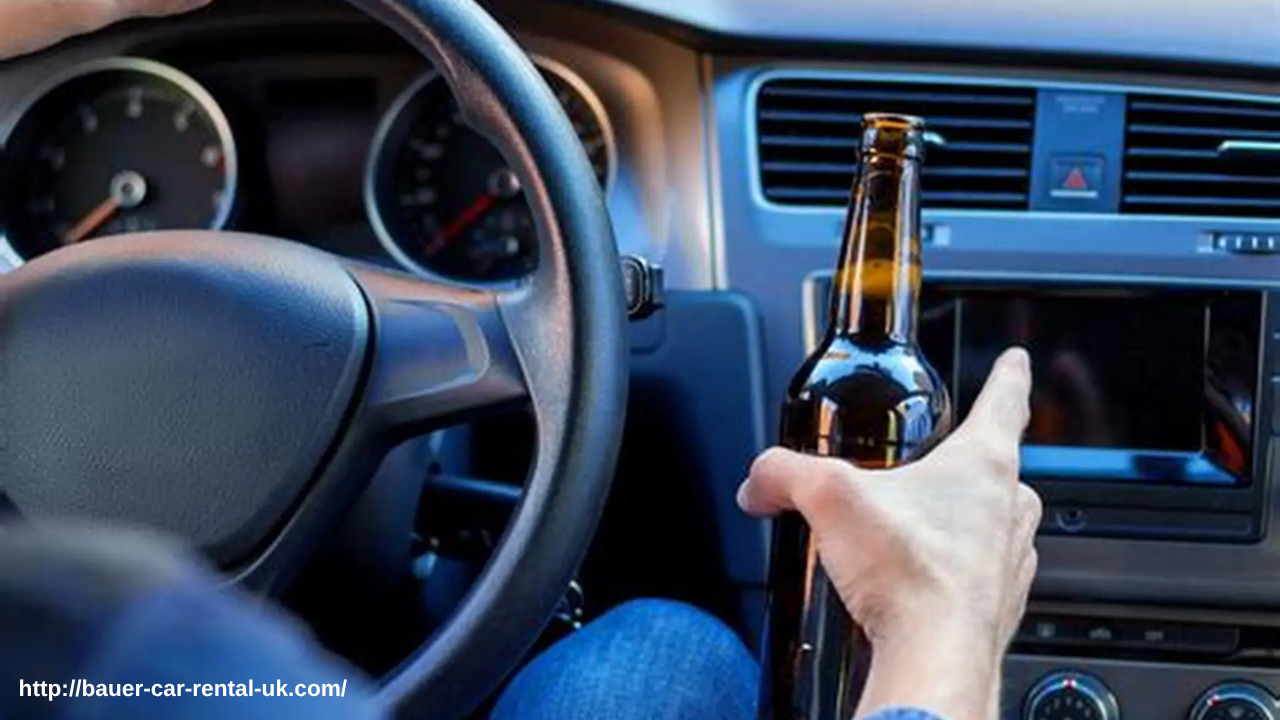
Driving under the influence of alcohol or drugs is a major offence in the United Kingdom, carrying severe penalties and life-altering consequences. To promote road safety and reduce fatalities, the UK has implemented strict drink and drug driving laws. Whether you’re a new driver or a seasoned motorist, it’s essential to understand these rules to stay on the right side of the law and keep the roads safe.
Alcohol Limits in the UK
The legal alcohol limit for drivers in England, Wales, and Northern Ireland is:
- 35 micrograms of alcohol per 100 millilitres of breath
- 80 milligrams of alcohol per 100 millilitres of blood
- 107 milligrams of alcohol per 100 millilitres of urine
Scotland enforces stricter limits:
- 22 micrograms per 100 millilitres of breath
- 50 milligrams per 100 millilitres of blood
- 67 milligrams per 100 millilitres of urine
It’s important to note that alcohol affects everyone differently based on weight, age, metabolism, and food intake. Therefore, the safest approach is to avoid drinking altogether if you plan to drive.
Drug Driving Laws
Drug driving laws in the UK cover both illegal and prescribed drugs. For illegal substances like cannabis and cocaine, the limits are set at very low levels to allow for strict enforcement. Prescription medications such as diazepam, morphine, and methadone are also monitored if they impair a driver’s ability to operate a vehicle safely.
Police use roadside drug testing kits to check for substances. If a driver tests positive, they are arrested and required to provide a blood sample for further analysis.
Penalties for Drink and Drug Driving
The consequences of being caught over the limit are severe:
- A minimum 12-month driving ban
- An unlimited fine
- Up to 6 months in prison
- A criminal record
- A driving licence endorsement for at least 11 years
In cases involving death by careless driving while under the influence, penalties can include up to 14 years in prison, extended bans, and community service.
Testing and Enforcement
Police officers have the authority to stop any driver suspected of being under the influence. They can administer breath tests for alcohol or saliva swabs for drugs at the roadside. Refusing to take a test is a criminal offence and carries the same penalties as a failed test.
Roadside testing is typically more common during holiday periods and at night, but random checks can happen at any time.
Why These Laws Matter
Drink and drug driving remains one of the leading causes of road accidents in the UK. Impaired driving affects judgment, reaction time, and coordination, making accidents more likely. The legal framework is designed to protect not just drivers but also passengers, pedestrians, and other road users.
Conclusion
Understanding the UK’s drink and drug driving laws is essential for every driver. Staying informed helps prevent accidents, avoid severe legal consequences, and contribute to safer roads for everyone. The message is simple: if you plan to drink or use drugs, don’t drive.