Driving under the influence (DUI) of alcohol or drugs is a serious offence in the United Kingdom, with strict laws designed to protect the public from impaired drivers. However, many motorists remain unclear about what the legal limits actually mean and how much alcohol it takes to reach them. Understanding the UK’s DUI limits is essential—not only to avoid penalties, but to keep yourself and others safe on the roads.
Legal Alcohol Limits in the UK
The UK has different alcohol limits depending on the region:
- England, Wales, and Northern Ireland:
- 35 micrograms of alcohol per 100 millilitres of breath
- 80 milligrams of alcohol per 100 millilitres of blood
- 107 milligrams of alcohol per 100 millilitres of urine
- Scotland:
- 22 micrograms of alcohol per 100 millilitres of breath
- 50 milligrams of alcohol per 100 millilitres of blood
- 67 milligrams of alcohol per 100 millilitres of urine
Scotland’s lower threshold reflects a tougher stance on drink driving, similar to other European countries. If you regularly travel between regions, it’s crucial to be aware of these differences.
How Much Can You Drink Before You’re Over the Limit?
There is no one-size-fits-all answer to this question. How alcohol affects an individual varies based on several factors, including:
- Body weight and composition
- Age and gender
- Metabolism and general health
- Type and amount of food eaten
- Type of alcohol consumed
As a rough guide, many people find that consuming more than one standard drink (such as a pint of beer or a small glass of wine) can put them close to or over the limit, especially in Scotland. However, due to all the variables involved, it’s impossible to accurately calculate your blood alcohol level without a breathalyzer.
The safest and most responsible advice? If you’re driving, don’t drink at all.
Penalties for Exceeding the Limit
If you’re caught driving over the legal limit, you could face serious consequences, including:
- A minimum 12-month driving ban
- An unlimited fine
- Up to 6 months in prison
- A criminal record
- A driving licence endorsement that lasts for 11 years
In more severe cases—especially those involving accidents, injury, or repeat offences—penalties can be significantly harsher.
What About Drugs?
The UK also has strict limits for drug driving, covering both illegal drugs (like cannabis and cocaine) and certain prescription medications. Just like alcohol, limits are measured in micrograms per litre of blood, and roadside testing is becoming more common.
Even if your drug use is prescribed, you can be prosecuted if your driving is deemed impaired.
Conclusion
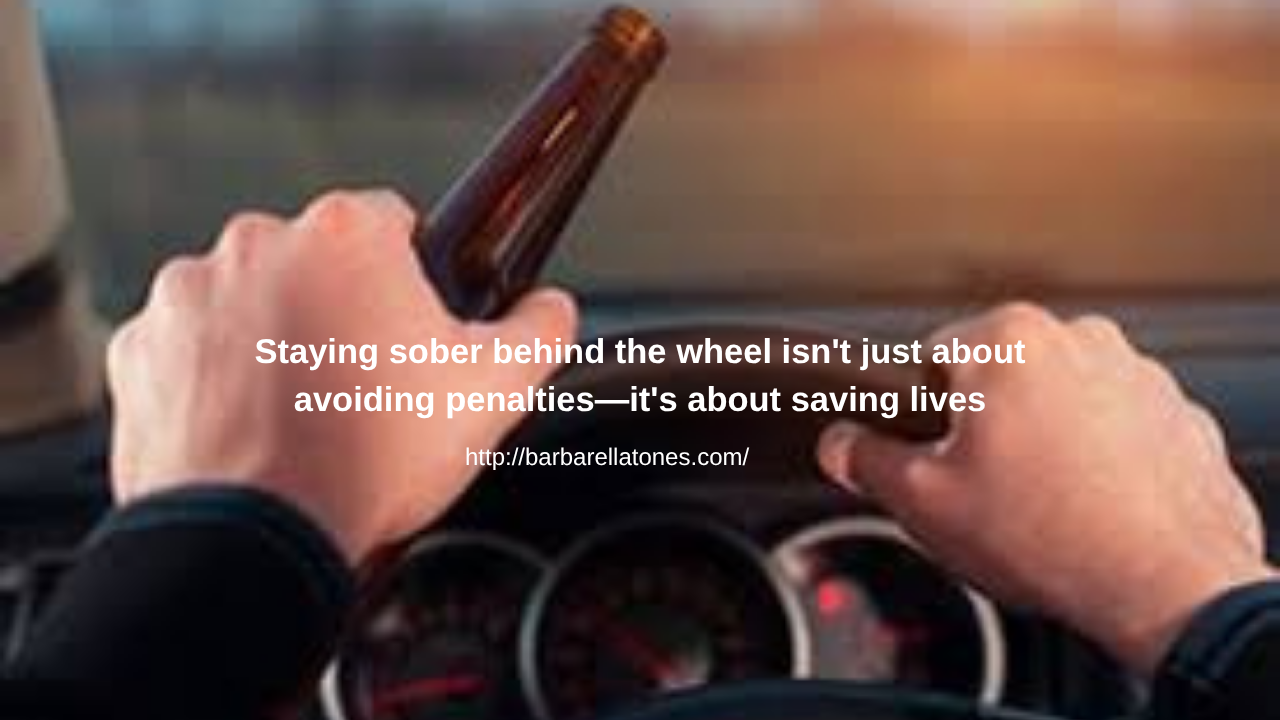
Understanding how much is too much when it comes to DUI in the UK can be difficult—but the consequences of getting it wrong are serious. Because of the wide range of factors that affect alcohol tolerance, the best way to ensure you’re within the legal limit is simple: don’t drink or use drugs if you plan to drive. Staying sober behind the wheel isn’t just about avoiding penalties—it’s about saving lives.