UK DUI Limits Explained: How Much Is Too Much?

Driving under the influence (DUI) of alcohol or drugs is a serious offence in the United Kingdom, with strict laws designed to protect the public from impaired drivers. However, many motorists remain unclear about what the legal limits actually mean and how much alcohol it takes to reach them. Understanding the UK’s DUI limits is essential—not only to avoid penalties, but to keep yourself and others safe on the roads.

Legal Alcohol Limits in the UK

The UK has different alcohol limits depending on the region:

  • England, Wales, and Northern Ireland:
    • 35 micrograms of alcohol per 100 millilitres of breath
    • 80 milligrams of alcohol per 100 millilitres of blood
    • 107 milligrams of alcohol per 100 millilitres of urine
  • Scotland:
    • 22 micrograms of alcohol per 100 millilitres of breath
    • 50 milligrams of alcohol per 100 millilitres of blood
    • 67 milligrams of alcohol per 100 millilitres of urine

Scotland’s lower threshold reflects a tougher stance on drink driving, similar to other European countries. If you regularly travel between regions, it’s crucial to be aware of these differences.

How Much Can You Drink Before You’re Over the Limit?

There is no one-size-fits-all answer to this question. How alcohol affects an individual varies based on several factors, including:

  • Body weight and composition
  • Age and gender
  • Metabolism and general health
  • Type and amount of food eaten
  • Type of alcohol consumed

As a rough guide, many people find that consuming more than one standard drink (such as a pint of beer or a small glass of wine) can put them close to or over the limit, especially in Scotland. However, due to all the variables involved, it’s impossible to accurately calculate your blood alcohol level without a breathalyzer.

The safest and most responsible advice? If you’re driving, don’t drink at all.

Penalties for Exceeding the Limit

If you’re caught driving over the legal limit, you could face serious consequences, including:

  • A minimum 12-month driving ban
  • An unlimited fine
  • Up to 6 months in prison
  • A criminal record
  • A driving licence endorsement that lasts for 11 years

In more severe cases—especially those involving accidents, injury, or repeat offences—penalties can be significantly harsher.

What About Drugs?

The UK also has strict limits for drug driving, covering both illegal drugs (like cannabis and cocaine) and certain prescription medications. Just like alcohol, limits are measured in micrograms per litre of blood, and roadside testing is becoming more common.

Even if your drug use is prescribed, you can be prosecuted if your driving is deemed impaired.

Conclusion

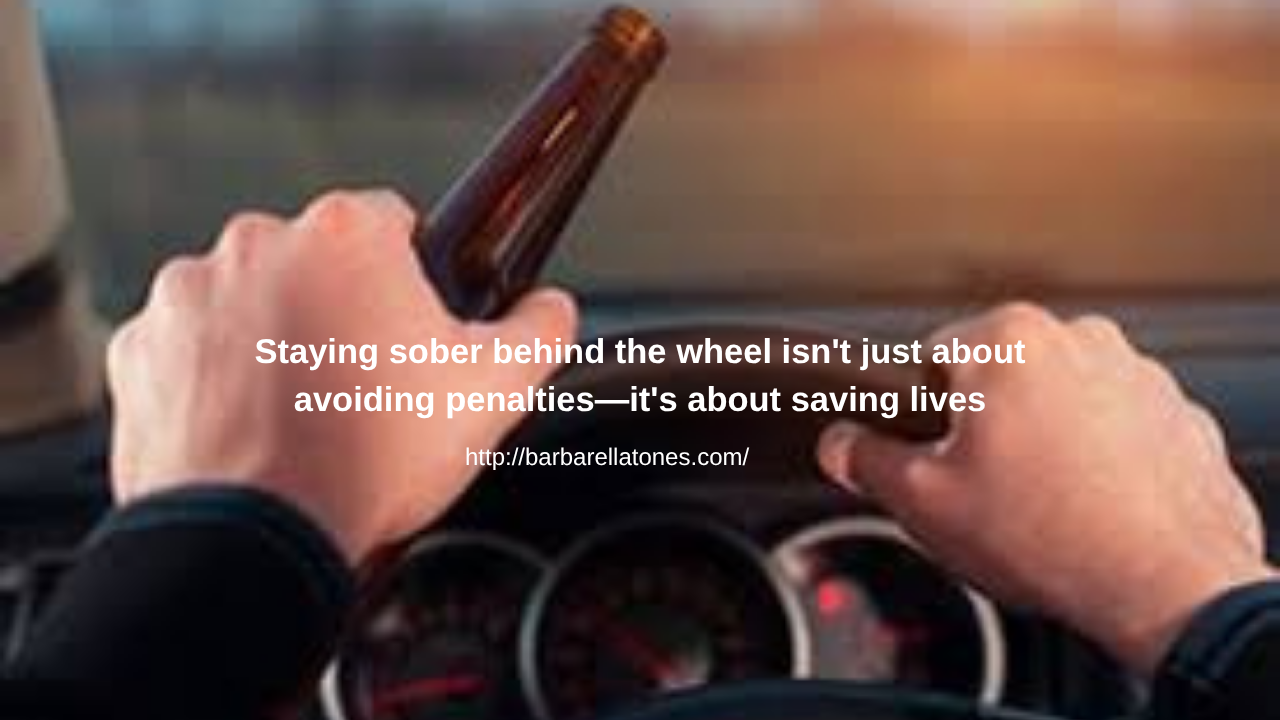
Understanding how much is too much when it comes to DUI in the UK can be difficult—but the consequences of getting it wrong are serious. Because of the wide range of factors that affect alcohol tolerance, the best way to ensure you’re within the legal limit is simple: don’t drink or use drugs if you plan to drive. Staying sober behind the wheel isn’t just about avoiding penalties—it’s about saving lives.
Understanding the UK’s Drink and Drug Driving Laws: What Every Driver Should Know

Driving under the influence of alcohol or drugs is a major offence in the United Kingdom, carrying severe penalties and life-altering consequences. To promote road safety and reduce fatalities, the UK has implemented strict drink and drug driving laws. Whether you’re a new driver or a seasoned motorist, it’s essential to understand these rules to stay on the right side of the law and keep the roads safe.

Alcohol Limits in the UK

The legal alcohol limit for drivers in England, Wales, and Northern Ireland is:

  • 35 micrograms of alcohol per 100 millilitres of breath
  • 80 milligrams of alcohol per 100 millilitres of blood
  • 107 milligrams of alcohol per 100 millilitres of urine

Scotland enforces stricter limits:

  • 22 micrograms per 100 millilitres of breath
  • 50 milligrams per 100 millilitres of blood
  • 67 milligrams per 100 millilitres of urine

It’s important to note that alcohol affects everyone differently based on weight, age, metabolism, and food intake. Therefore, the safest approach is to avoid drinking altogether if you plan to drive.

Drug Driving Laws

Drug driving laws in the UK cover both illegal and prescribed drugs. For illegal substances like cannabis and cocaine, the limits are set at very low levels to allow for strict enforcement. Prescription medications such as diazepam, morphine, and methadone are also monitored if they impair a driver’s ability to operate a vehicle safely.

Police use roadside drug testing kits to check for substances. If a driver tests positive, they are arrested and required to provide a blood sample for further analysis.

Penalties for Drink and Drug Driving

The consequences of being caught over the limit are severe:

  • A minimum 12-month driving ban
  • An unlimited fine
  • Up to 6 months in prison
  • A criminal record
  • A driving licence endorsement for at least 11 years

In cases involving death by careless driving while under the influence, penalties can include up to 14 years in prison, extended bans, and community service.

Testing and Enforcement

Police officers have the authority to stop any driver suspected of being under the influence. They can administer breath tests for alcohol or saliva swabs for drugs at the roadside. Refusing to take a test is a criminal offence and carries the same penalties as a failed test.

Roadside testing is typically more common during holiday periods and at night, but random checks can happen at any time.

Why These Laws Matter

Drink and drug driving remains one of the leading causes of road accidents in the UK. Impaired driving affects judgment, reaction time, and coordination, making accidents more likely. The legal framework is designed to protect not just drivers but also passengers, pedestrians, and other road users.

Conclusion

Understanding the UK’s drink and drug driving laws is essential for every driver. Staying informed helps prevent accidents, avoid severe legal consequences, and contribute to safer roads for everyone. The message is simple: if you plan to drink or use drugs, don’t drive.

The Future of DUI Prevention in the UK: Technology, Policy Changes, and Autonomous Vehicles

As road safety continues to be a top priority in the UK, the future of DUI (Driving Under the Influence) prevention is being shaped by rapid advances in technology, evolving policy frameworks, and the development of autonomous vehicles. While traditional enforcement methods have made significant strides in reducing drink and drug driving, emerging innovations promise to further transform how the UK combats impaired driving.

Technological Advancements

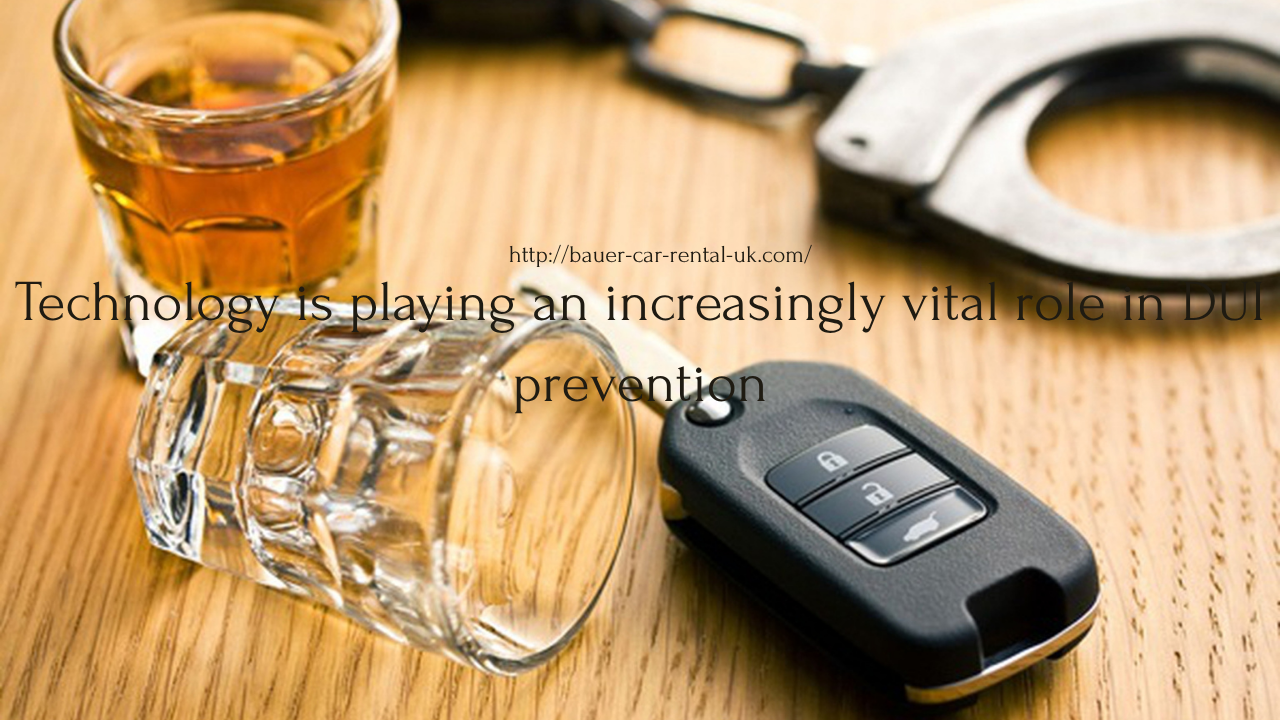
Technology is playing an increasingly vital role in DUI prevention through the development of smarter, more proactive tools.

  • Alcohol Detection Systems: One of the most promising innovations is the installation of in-car alcohol detection systems. These devices, often known as ignition interlocks, require drivers to pass a breath test before the engine starts. Already in use for high-risk offenders, future models may be standard in all vehicles.
  • Wearable Technology: Smartwatches and fitness trackers with built-in alcohol detection sensors are in development, potentially alerting users if their blood alcohol level exceeds the legal limit.
  • Mobile Applications: Apps designed to discourage DUI by offering safe ride alternatives, such as designated driver services or integration with ride-sharing platforms, are becoming more sophisticated and widely used.

Policy and Legislative Changes

The UK government continues to review and update legislation to ensure it remains effective against emerging DUI risks.

  • Lowering Legal Limits: Scotland has already implemented lower alcohol limits than the rest of the UK. There is growing discussion around applying these stricter thresholds nationwide.
  • Zero-Tolerance for Drugs: The current approach toward drug driving is nearly zero-tolerance, and future legislation may expand the list of tested substances and enhance penalties.
  • Mandatory Interlocks for Repeat Offenders: There is increasing support for making ignition interlocks mandatory for all repeat or high-risk DUI offenders.

The Rise of Autonomous Vehicles

One of the most groundbreaking changes on the horizon is the widespread adoption of autonomous vehicles (AVs).

  • Reducing Human Error: Since the vast majority of DUI-related crashes are caused by impaired human drivers, AVs have the potential to eliminate this risk entirely.
  • Policy and Ethical Questions: As AVs take on more control, legal frameworks must adapt to address liability, enforcement, and safety standards.
  • Transitional Challenges: While full autonomy is still years away, semi-autonomous features like lane-keeping assist, automatic braking, and adaptive cruise control are already helping to reduce the risk of DUI-related incidents.

Public Education and Integration

For any technological or policy innovation to be effective, public education remains key. Future campaigns will likely focus on:

  • Promoting the use of safe driving technologies
  • Raising awareness about updated laws
  • Encouraging responsible behaviour through digital platforms and social media

Conclusion

The future of DUI prevention in the UK is being shaped by a blend of technology, legislative reform, and the promise of autonomous transport. As these elements converge, the vision of safer, DUI-free roads becomes more attainable. However, achieving this future will require continued investment, public engagement, and a proactive approach to integrating innovations with existing road safety strategies.